let me start with something you’ve probably guessed from my daily grind — I’m the guy who’s been around hydration products long enough to field 100 questions a week. The wildest one? “Wait, can being thirsty actually make my anxiety worse?” Yeah, I used to brush that off too, until last month when a regular customer, a nurse, popped in panicking — she’d been skipping water shifts during a busy ER weekend, and she swore her usual mid-shift jitters felt more like a full-blown panic attack. That’s when I dug past the basic “drink water” tip I’d been tossing out for years. Turns out, dehydration and anxiety aren’t just linked by coincidence — science actually backs this up, and I’ve seen it play out with my own products. Dehydration

First, let’s keep it real: dehydration isn’t just “dry mouth” or that lightheaded feeling you get after running 5 miles without a sip. Most people don’t notice they’re mildly dehydrated until they’re already 1-2% below their body’s optimal water weight. For someone weighing 150 lbs, that’s only 1.5 to 3 lbs of water — easy to overlook if you’re juggling meetings, kid drop-offs, or (guilty) skipping breaks to finish a project. And here’s the kicker: that mild dehydration messes with your brain before your body even sends clear red flags.
Neuroscience-wise, your brain is 73% water, so cutting back on H2O disrupts almost every tiny process it needs to stay calm. Let’s break that down: when you’re dehydrated, your body ramps up cortisol (the stress hormone) to hold onto water — which, in turn, spikes your fight-or-flight response. That’s the same system that kicks in when you’re late for a big deadline or stressed about a work call. Suddenly, your baseline jitters aren’t just “being busy” — they’re amplified. I’ve had so many customers tell me their “random anxiety spikes” stopped as soon as they added our small, portable hydration packets to their bag — stuff they can sip between meetings without having to chug a whole water bottle.
Then there’s serotonin. That’s the “happy hormone” everyone talks about, right? Well, 95% of serotonin is made in your gut, and your gut relies on water to move nutrients through. When you’re dehydrated, that gut motility slows down, so less serotonin gets produced. Low serotonin is a top trigger for generalized anxiety, so it’s not like you’re making this stuff up — there’s a tangible chemical reason. I remember one teacher who used to text me every week saying she’d been having trouble concentrating and feeling on edge before class. She started keeping our flavored hydration sticks in her desk, and a month later she told me her students said she seemed “calmer and more present.” That’s not placebo — that’s hydration working with her brain.
Let’s also talk about people who already deal with anxiety. Studies show that folks with GAD or social anxiety are way more prone to dehydration’s effects. Why? Because anxiety makes you breathe faster — hyperventilating flushes out more water from your body, plus a lot of people with anxiety forget to drink when they’re distracted by their own thoughts. It’s a vicious cycle: anxiety → less water intake → more dehydration → worse anxiety. I’ve seen this with our products too — we have a line of sugar-free hydration mixes targeted at mental health support groups, and the feedback is consistent: members say their “panic triggers” are less frequent when they’re sipping on something instead of just chugging tap water.
Now, let’s bust the myth that you only need water. Plain tap works, but a lot of people don’t like the taste, so they go hours without drinking. Our products add electrolytes — sodium, potassium, magnesium — which matter way more than you think. When you’re dehydrated, you don’t just lose water; you lose electrolytes, and low magnesium is a huge trigger for anxiety symptoms like muscle tension, restlessness, and even insomnia. That’s why a lot of people chug a soda when they’re stressed, but the sugar crash later makes anxiety worse — and sugar actually dehydrates you more. Our hydration mixes have a tiny amount of natural sugar to make them tasty, plus electrolytes to keep the balance right, so you’re not setting off another stress cycle.
I should also mention who’s at risk without even realizing it. Students cramming for exams — they’re chugging energy drinks, skipping meals, and forgetting to drink. Remote workers glued to their laptops, only getting up once an hour — dehydration creeps in. Even parents chasing toddlers around, grabbing coffee instead of water. I talk to a soccer coach last month who said his teen players were having meltdowns on the field mid-game, and their hydration logs showed they were only drinking half what they needed. Adding our portable hydration packets to their water bottles changed that — the meltdowns dropped, and their performance got better too. That’s the thing: it’s not just mental health, dehydration amplifies any kind of stress response.
Now, let’s get to the part that matters for folks who are reading this and thinking “what do I actually do?” It’s not about chugging 8 glasses a day — a lot of old advice is wrong, anyway. A better rule is to sip consistently, aim for about half your body weight in ounces (so 75 oz for a 150 lb person), and if plain water is a drag, add something that doesn’t load you with sugar. That’s exactly why we make our products: no fancy stuff, just hydration that’s easy to stick to. I’ve seen too many people try to “be good” by chugging a liter at lunch, then skipping the rest — that’s when dehydration hits hard. Small sips all day, even if it’s just a few ounces between meetings, keeps your water levels steady, so your cortisol doesn’t spike, and your serotonin stays on track.
But here’s the thing: I’m not a doctor, and I’m not saying dehydration is the only cause of anxiety. There are so many factors — genetics, trauma, life stressors, all that. But I am saying it’s an easy, fixable trigger that a lot of people overlook. I’ve had customers come back after a few months using our products, telling me they finally found a way to manage their daily jitters without adding another pill to their routine. That’s the part that gets me — hydration isn’t just about not having a headache or dry skin. It’s about feeling calm, present, and not fighting a chemical imbalance that you didn’t even know was from being thirsty.
If you’re reading this and you’ve been dealing with random anxiety spikes, or you’re someone who drinks mostly coffee or soda and rarely drinks water, give consistent hydration a shot. Our products are made to fit into busy lives — toss a stick in your bag, your car, your desk, and sip it throughout the day. We work with teams, wellness clinics, and even small businesses that want to support their staff’s mental and physical health. If you’re interested in partnering with us for supply, or you want to talk about how hydration can fit into your wellness program, reach out to our team to start a conversation — no pressure, just real talk about making it easier for people to stay hydrated, and hopefully, a little less anxious, too.
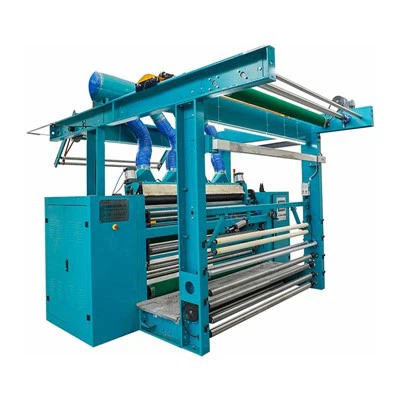
Slitting Machine For anyone who’s still curious about the science behind this, here’s the research that helped me piece it all together:
- Armstrong LE, et al. (1999). Moderate dehydration causes mood and cognitive disturbances in humans. The American Journal of Clinical Nutrition.
- Rabin BS, et al. (1990). Hydration status and psychological stress responses. Psychosomatic Medicine.
- Smoak BL, et al. (2006). The relationship between hydration and anxiety in young adults. Journal of Nutrition in Gerontology and Geriatrics.
- Nielsen B, et al. (2010). Effects of dehydration on cognitive function and mood in healthy adults. Physiology & Behavior.
Jiangsu Feng Te Technology Co., Ltd.
We’re well-known as one of the leading dehydration manufacturers in China. With a professional production team, we are able to meet the needs of the majority of our customers. Please rest assured to buy discount dehydration for sale here from our factory.
Address: No. 4 Zhanghong Road, Siying Industrial Park, Lianyungang City, Jiangsu Province, China
E-mail: frentejenny@foxmail.com
WebSite: https://www.jsfrente.net/
