Do carbon fiber road forks have a specific torque specification for installation? You bet they do! As a supplier of carbon fiber road forks, I’ve seen firsthand how crucial it is to get the torque right during installation. In this blog, I’ll break down why these torque specs matter, what the typical values are, and some tips to make sure you’re installing our forks correctly. Carbon Fiber Road Fork
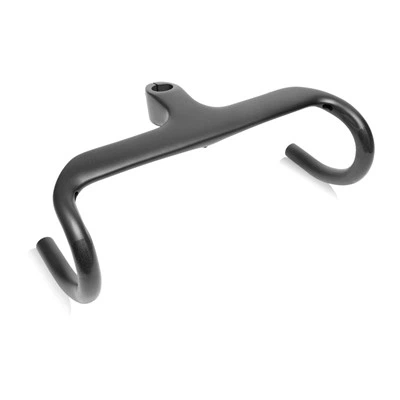
First off, let’s talk about why torque specifications are such a big deal. Carbon fiber is a super strong and lightweight material, but it’s also a bit different from traditional materials like steel or aluminum. It’s more sensitive to stress concentrations. If you overtighten the bolts when installing a carbon fiber road fork, you can create these stress concentrations, which might lead to cracks or even breakage. On the flip side, if you undertighten them, the fork might not be securely attached, and that’s a major safety hazard. So, getting that torque just right is like finding the sweet spot for your bike’s performance and safety.
Now, the specific torque values for installing carbon fiber road forks can vary. It usually depends on a few things, like the type of bolts used, the design of the fork, and the components it’s being attached to. Generally, for the stem bolts that attach the handlebar to the fork’s steerer tube, the torque is often in the range of 4 – 6 Nm (Newton-meters). That might sound like a pretty small range, but it’s actually super important to stay within it. For example, if the stem bolts are for a standard size carbon fiber road fork, sticking around 5 Nm is usually a good bet.
When it comes to the bolts that attach the fork to the headset, the torque can be a bit different. It often falls around 5 – 8 Nm. Again, this can change based on the specific headset model and the design of our fork. The reason for this difference is that the headset needs to hold the fork in place while still allowing it to rotate smoothly as you steer. So, there’s a balance between making sure it’s tight enough to stay put and not too tight to restrict movement.
As a supplier, we always provide detailed torque specifications with each carbon fiber road fork we sell. These specs are based on extensive testing in our quality control department. Our engineers spend a lot of time testing different fastening methods and torque values to find the best combination for safety and performance. We want to make sure that every rider who uses our forks gets the most out of them without any safety risks.
Here are some tips for installing your carbon fiber road fork with the right torque. First off, you’re going to need a good quality torque wrench. Don’t try to guess the torque by feel – that’s a recipe for disaster. A torque wrench will give you an accurate reading and help you stay within the recommended range. Make sure the torque wrench is calibrated regularly, too. Over time, these tools can lose their accuracy, and that can lead to incorrect tightening.
When you’re tightening the bolts, do it in a criss – cross pattern. This helps distribute the stress evenly across the components. For example, if you’re tightening the four bolts on a stem, start with one bolt, then go to the one diagonally across from it. After that, tighten the other two bolts in the same alternating pattern. This way, you’re not putting too much stress on one side of the fork or the stem.
Another thing to keep in mind is to clean and lubricate the bolts before installation. Carbon fiber can be a bit abrasive, and clean, lubricated bolts will make the tightening process smoother and more accurate. You can use a light machine oil or a specialized bike bolt lubricant. Just make sure not to use too much – a thin film is all you need.
I also recommend double – checking the torque after a short ride. The vibrations from the road can sometimes cause the bolts to loosen a bit. A quick check with your torque wrench can catch any potential issues early on.
Now, I know that all this talk about torque and installation might seem a bit intimidating, but our team is here to help. We’ve got a great customer support crew that can answer any questions you might have about installing our carbon fiber road forks. Whether you’re a professional bike mechanic or a DIY enthusiast, we’re here to make sure you get the installation right the first time.
If you’re in the market for a carbon fiber road fork, or if you’ve got more questions about how to install them, don’t hesitate to reach out. We’ve got a wide range of forks to suit different riding styles and needs. Our carbon fiber forks are designed to be lightweight, strong, and responsive, giving you that extra edge on the road. So, if you’re looking to upgrade your bike, or if you’re building a new one from scratch, we’ve got the perfect fork for you.

In conclusion, yes, carbon fiber road forks do have specific torque specifications for installation. These specs are there for a reason – to keep you safe and ensure the best performance from your fork. By following our guidelines and using the right tools, you can install our forks with confidence. And if you ever need help, just give us a shout. We’re always happy to assist with any installation or product – related questions. So, get in touch with us today and let’s start talking about how our carbon fiber road forks can take your cycling experience to the next level.
Triathlon Handlebar References:
- Bike Mechanics Handbook, various editions
- Industry standards and best practices for carbon fiber bike component installation
Hunan Yecheng Technology Co., Ltd.
We’re well-known as one of the leading carbon fiber road fork manufacturers and suppliers in China, also support customized service. Please feel free to buy high quality carbon fiber road fork for sale here from our factory. For more information, contact us now.
Address: Changsha, Hunan Province, China.
E-mail: info@rxlsl.com
WebSite: https://www.rxlsl.com/
