Storing a butterfly valve properly is crucial for maintaining its performance and longevity. As a supplier of butterfly valves, I’ve seen firsthand the impact of improper storage on these essential components. In this blog post, I’ll share some key tips on how to store a butterfly valve effectively, ensuring it remains in top condition until it’s ready for use. Butterfly Valve

Understanding the Importance of Proper Storage
Butterfly valves are precision-engineered devices that play a vital role in controlling the flow of fluids in various industrial applications. Their performance depends on the integrity of their components, including the disc, seat, and stem. Improper storage can lead to corrosion, deformation, and other damage that can compromise the valve’s functionality.
For example, exposure to moisture and humidity can cause rust to form on the valve’s metal parts, weakening the structure and reducing its lifespan. Similarly, storing the valve in a position that puts stress on the disc or stem can lead to misalignment, which can affect the valve’s ability to seal properly.
Preparing the Valve for Storage
Before storing a butterfly valve, it’s important to prepare it properly to prevent damage. Here are some steps to follow:
- Clean the Valve: Thoroughly clean the valve to remove any dirt, debris, or contaminants that may have accumulated during use or transportation. Use a mild detergent and a soft brush to clean the valve’s exterior and interior surfaces. Rinse the valve with clean water and dry it completely to prevent rust.
- Inspect the Valve: Carefully inspect the valve for any signs of damage or wear. Check the disc, seat, stem, and other components for cracks, chips, or other defects. If any damage is found, repair or replace the affected parts before storing the valve.
- Lubricate the Valve: Apply a thin layer of lubricant to the valve’s moving parts, such as the stem and disc, to prevent corrosion and ensure smooth operation. Use a high-quality lubricant that is compatible with the valve’s materials.
- Protect the Valve: Cover the valve with a protective coating or wrapping to prevent damage during storage. Use a plastic or rubber cover to protect the valve’s exterior, and a foam or felt liner to protect the interior.
Choosing the Right Storage Location
The storage location plays a crucial role in maintaining the valve’s condition. Here are some factors to consider when choosing a storage location:
- Temperature and Humidity: The storage location should be kept at a stable temperature and humidity level to prevent corrosion and other damage. Avoid storing the valve in areas that are subject to extreme temperature fluctuations or high humidity, such as basements or attics.
- Ventilation: The storage location should be well-ventilated to prevent the buildup of moisture and other contaminants. Avoid storing the valve in areas that are enclosed or have poor ventilation, such as closets or storage cabinets.
- Protection from Physical Damage: The storage location should be protected from physical damage, such as impact, vibration, or crushing. Avoid storing the valve in areas that are prone to heavy traffic or where it may be accidentally knocked over.
- Accessibility: The storage location should be easily accessible to allow for regular inspection and maintenance. Avoid storing the valve in areas that are difficult to reach or where it may be blocked by other equipment.
Storing the Valve
Once the valve has been prepared and the storage location has been chosen, it’s time to store the valve. Here are some tips on how to store the valve properly:
- Store the Valve in an Upright Position: Store the valve in an upright position to prevent stress on the disc and stem. If the valve cannot be stored in an upright position, support it with a suitable stand or bracket to prevent it from tipping over.
- Avoid Stacking the Valves: Avoid stacking the valves on top of each other to prevent damage to the valves. If multiple valves need to be stored, store them side by side with a suitable spacer between them.
- Label the Valve: Label the valve with its specifications, such as size, pressure rating, and material, to make it easy to identify. This will also help to ensure that the valve is used in the correct application.
- Keep a Record of the Storage: Keep a record of the valve’s storage location, date of storage, and any other relevant information. This will help to track the valve’s history and ensure that it is stored for the appropriate period of time.
Regular Inspection and Maintenance
Even when stored properly, butterfly valves require regular inspection and maintenance to ensure their continued performance. Here are some tips on how to inspect and maintain the valve during storage:
- Inspect the Valve Regularly: Inspect the valve at least once every six months to check for any signs of damage or wear. Check the valve’s exterior and interior surfaces for rust, corrosion, or other defects. If any damage is found, repair or replace the affected parts immediately.
- Lubricate the Valve as Needed: Apply a thin layer of lubricant to the valve’s moving parts, such as the stem and disc, as needed to prevent corrosion and ensure smooth operation. Use a high-quality lubricant that is compatible with the valve’s materials.
- Check the Valve’s Sealing Performance: Check the valve’s sealing performance by closing the valve and applying a pressure test. If the valve does not seal properly, adjust the valve’s position or replace the seal.
- Keep the Storage Area Clean: Keep the storage area clean and free of debris to prevent contamination of the valve. Regularly sweep or vacuum the storage area to remove any dirt or dust.
Conclusion
Proper storage of a butterfly valve is essential for maintaining its performance and longevity. By following the tips outlined in this blog post, you can ensure that your butterfly valves remain in top condition until they are ready for use. Remember to prepare the valve for storage, choose the right storage location, store the valve properly, and perform regular inspection and maintenance.
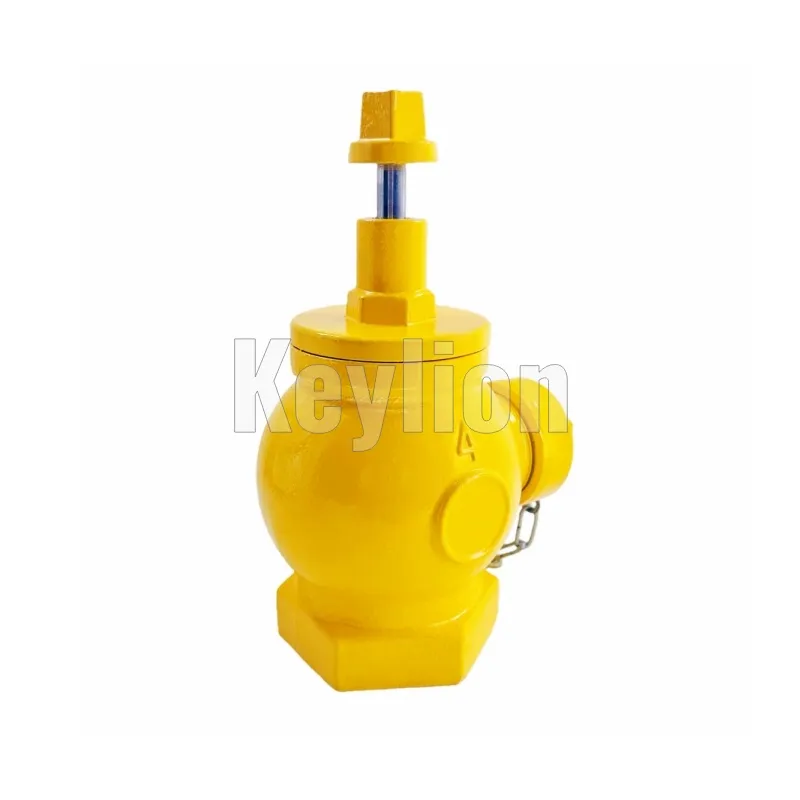
Fire Hydrant Valve If you have any questions or need further information on storing butterfly valves, please don’t hesitate to contact me. I’m here to help you ensure that your butterfly valves are stored and maintained properly.
References
- ASME B16.34 – Valves – Flanged, Threaded, and Welding End
- API 609 – Butterfly Valves, Double Flanged, Lug – Type, and Wafer – Type
- ISO 5208 – Industrial Valves – Pressure Testing of Valves
Quanzhou Keylion Valve Co., Ltd.
We’re known as one of the most professional butterfly valve manufacturers and suppliers in China, also support customized service. We warmly welcome you to buy high quality butterfly valve made in China here from our factory. If you have any enquiry about cooperation, please feel free to email us.
Address: NO.17, JINYUAN, ZHENSHAN VILLAGE, NANAN CITY, FUJIAN PROVINCE
E-mail: sales@keylionvalve.com
WebSite: https://www.keylion-valves.com/
