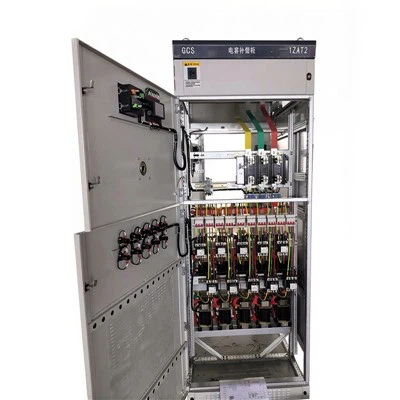
In the realm of electrical power systems, high – voltage switchgear plays a pivotal and indispensable role. As a seasoned supplier of high – voltage switchgear, I’ve witnessed firsthand the importance of understanding the weight specifications of these critical components. Weight specifications are not just arbitrary numbers; they are intricately tied to the design, installation, and performance of high – voltage switchgear. High-Voltage Switchgear
Significance of Weight Specifications
The weight of high – voltage switchgear is a crucial parameter that impacts multiple aspects of its lifecycle. Firstly, from a transportation perspective, the weight determines the type of transport equipment required. Heavy switchgear may demand specialized trucks, trailers, or even cranes for safe loading and unloading. This can significantly affect the transportation cost and logistics planning. For example, if the switchgear is too heavy for a standard truck, it may require a special overweight permit and a more elaborate transportation route, which all contribute to additional expenses.
Secondly, foundation requirements are heavily influenced by the weight. The installation site must be able to bear the load of the switchgear. Structural engineers need to calculate the load distribution and design appropriate foundations. A misjudgment of the weight can lead to unstable installations, which pose a significant safety hazard. For instance, if the foundation is not designed to withstand the actual weight of the switchgear, it may crack or even collapse over time, jeopardizing the entire electrical system.
Thirdly, weight also affects the ease of handling during installation and maintenance. A lighter switchgear can be more easily maneuvered into place by the installation crew, reducing the risk of injury and speeding up the installation process. During maintenance, if the switchgear is too heavy, it may be difficult to access certain components, increasing the time and effort required for servicing.
Factors Influencing the Weight of High – Voltage Switchgear
1. Voltage Rating
One of the primary factors affecting the weight of high – voltage switchgear is its voltage rating. Higher voltage switchgear typically requires more insulation and larger conductors to handle the increased electrical stress. For example, a single – phase 110 kV switchgear will generally be heavier than a 10 kV switchgear. The insulation materials used, such as porcelain or epoxy resin, add a significant amount of weight. Moreover, the larger conductors required to carry high – voltage currents are made of more conductive materials like copper or aluminum, increasing the overall weight.
2. Configuration and Design
The configuration and design of high – voltage switchgear also play a significant role in determining its weight. There are various types of configurations, such as metal – enclosed, gas – insulated, and open – air switchgear. Metal – enclosed switchgear, which is designed to provide protection against environmental factors and prevent unauthorized access, is usually heavier because of the additional metal casing. Gas – insulated switchgear (GIS) is often heavier than other types due to the presence of a sealed enclosure filled with insulating gas and the associated supporting structures.
The internal layout and the number of components also impact the weight. A switchgear with additional protective relays, meters, and monitoring devices will be heavier than a basic model. For example, a switchgear with a comprehensive suite of digital protection relays and advanced monitoring systems will have more electronic components, increasing its weight.
3. Material Selection
The materials used in the construction of high – voltage switchgear are another major factor in its weight. As mentioned earlier, conductors are typically made of copper or aluminum. Copper is denser than aluminum, so switchgear with copper conductors will be heavier. However, copper offers better conductivity, which may be necessary for high – performance applications.
The insulating materials also contribute to the weight. Porcelain insulators are commonly used in high – voltage switchgear, and they are relatively heavy. In contrast, some modern switchgear use lightweight composite insulators, which can significantly reduce the overall weight. The choice of structural materials, such as steel or aluminum frames, also affects the weight. Steel frames are stronger but heavier, while aluminum frames are lighter but may have lower strength.
Typical Weight Ranges
The weight of high – voltage switchgear can vary widely depending on the factors mentioned above. For low – voltage switchgear (up to 1 kV), the weight can range from a few hundred kilograms to a couple of tons. These are often used in small – scale industrial or commercial applications and are relatively compact.
For medium – voltage switchgear (ranging from 1 kV to 36 kV), the weight typically falls between 1 to 5 tons. Medium – voltage switchgear is commonly used in industrial plants, buildings, and small power substations. The weight increase is due to the larger size of components and the need for more insulation compared to low – voltage switchgear.
High – voltage switchgear (above 36 kV) can be extremely heavy. For example, a large 110 kV or 220 kV metal – enclosed switchgear can weigh anywhere from 10 to 50 tons or more. Gas – insulated switchgear at these high – voltage levels can be even heavier due to the additional weight of the gas enclosure and the supporting structures.
Importance of Accurate Weight Information for Customers
As a high – voltage switchgear supplier, I understand the significance of providing accurate weight information to our customers. When a customer is planning a new electrical installation or upgrading an existing one, they need to account for the weight of the switchgear in their overall project design. This includes ensuring that the transportation route is suitable, the installation site has a proper foundation, and the handling equipment is available.
Inaccurate weight information can lead to unexpected costs and delays. For example, if a customer orders a switchgear based on an underestimated weight, they may find that the transportation company charges additional fees for overweight shipments, or the installation crew may face difficulties in handling and installing the switchgear. On the other hand, overestimating the weight can lead to unnecessary expenses in terms of over – designed foundations and oversized handling equipment.
Case Studies
Let me share a couple of real – life case studies to illustrate the importance of weight specifications.
In one project, a customer was planning to install a medium – voltage switchgear in a small industrial building. Our sales team provided accurate weight information, which allowed the customer’s engineering team to design a proper foundation. The installation went smoothly, and there were no issues related to the weight of the switchgear during transportation or installation. This not only saved time but also reduced the overall project cost.
In contrast, another customer once ordered a high – voltage switchgear without getting accurate weight details from the previous supplier. When the switchgear arrived, they found that the transportation truck was not suitable for the actual weight of the switchgear. This led to a delay in delivery as a new transportation arrangement had to be made. Additionally, the foundation at the installation site was not strong enough to bear the load, requiring costly reinforcement work.
Conclusion
In conclusion, the weight specifications of high – voltage switchgear are of utmost importance. They affect transportation, foundation design, handling, and overall project cost. As a high – voltage switchgear supplier, we are committed to providing our customers with accurate and detailed weight information for each of our products. Whether you are involved in a small – scale industrial project or a large – scale power substation installation, understanding the weight of the switchgear is crucial for a successful and cost – effective project.
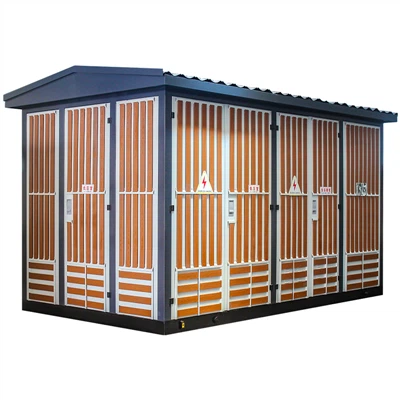
Box Type Substation If you are in the market for high – voltage switchgear and need reliable products with accurate weight specifications, we invite you to reach out to our team. We have a wide range of high – voltage switchgear products to meet your specific needs, and our experienced sales and engineering teams are ready to assist you in every step of the procurement process. Contact us today to start the discussion and take the first step towards a high – quality electrical solution.
References
- Electrical Power Systems: Design and Analysis, John Wiley & Sons
- Handbook of High – Voltage Engineering, Springer
- Standards for High – Voltage Switchgear, IEEE Publications
Jiangxi Yihong Electric Power Technology Co., Ltd.
As one of the most experienced high-voltage switchgear manufacturers and suppliers in China, we also support customized service. We warmly welcome you to buy high quality high-voltage switchgear from our factory. If you have any enquiry about pricelist, please feel free to email us.
Address: Chating Industrial Park, Guangxin District, Shangrao City, Jiangxi Province
E-mail: 15779933057@163.com
WebSite: https://www.yihcn.com/
