V packing, a well – known sealing solution, has been widely adopted in various industrial applications. As a V packing supplier, I am often asked whether V packing can be used in high – temperature environments. In this blog, I will delve into this topic based on my extensive experience in the industry and an in – depth understanding of V packing materials and performance. V Packing

Understanding V Packing
Before addressing its suitability for high – temperature environments, it is essential to have a basic understanding of V packing. V packing, also known as V – ring packing or chevron packing, consists of multiple V – shaped sealing rings stacked on top of each other. These rings are typically made from different materials, such as rubber, PTFE (Polytetrafluoroethylene), and various fiber – reinforced polymers. Each material has its unique properties, making V packing adaptable to different operating conditions.
The design of V packing allows it to provide effective sealing under different pressures. When the packing is compressed, the V – shaped rings expand radially, creating a tight seal against the gland and shaft. This sealing mechanism makes V packing suitable for applications where there is a need to prevent the leakage of fluids, such as water, oil, and gases.
High – Temperature Environments: A Challenge for Sealing Solutions
High – temperature environments pose significant challenges to sealing solutions. When exposed to elevated temperatures, materials can undergo physical and chemical changes. For example, rubber materials may lose their elasticity, become brittle, and crack over time. This loss of elasticity not only impairs the sealing performance but also shortens the lifespan of the packing.
Polymers, on the other hand, may experience thermal degradation. This process can lead to a change in the molecular structure of the polymer, reducing its strength and altering its physical properties. In addition, high temperatures can increase the rate of chemical reactions between the packing material and the fluid being sealed, potentially causing corrosion and further deterioration of the sealing performance.
V Packing Materials and Their High – Temperature Performance
Rubber – based V Packing
Rubber is a common material used in V packing due to its flexibility and good sealing properties at normal temperatures. However, its performance at high temperatures is limited. For natural rubber, the maximum continuous operating temperature is usually around 60 – 80°C. Beyond this temperature range, natural rubber starts to lose its elasticity rapidly, and its mechanical properties deteriorate significantly.
Synthetic rubbers, such as nitrile rubber (NBR), have better high – temperature resistance compared to natural rubber. NBR can operate continuously at temperatures up to 100 – 120°C. However, when the temperature exceeds this range, NBR also experiences issues such as hardening and cracking. Fluoroelastomers, like Viton, offer much better high – temperature performance. They can withstand continuous operating temperatures of up to 200 – 250°C, making them suitable for some high – temperature applications.
PTFE – based V Packing
PTFE is a well – known high – performance polymer with excellent chemical resistance and low friction coefficient. It also has remarkable high – temperature resistance. PTFE can operate continuously at temperatures up to 260°C and can withstand short – term exposure to temperatures as high as 300°C. This makes PTFE – based V packing an ideal choice for high – temperature environments where chemical resistance is also required.
PTFE – based V packing maintains its sealing performance even at high temperatures because of its stable molecular structure. The strong carbon – fluorine bonds in PTFE make it highly resistant to thermal degradation. Additionally, PTFE’s low friction properties reduce the heat generated during operation, further enhancing its suitability for high – temperature applications.
Fiber – reinforced V Packing
Fiber – reinforced polymers are often used in V packing to improve their mechanical properties, including strength and wear resistance. Materials such as aramid fibers and carbon fibers are commonly used as reinforcement. When reinforced with suitable fibers, V packing can achieve better high – temperature performance.
Aramid fiber – reinforced V packing can withstand relatively high temperatures and offers good mechanical strength. Carbon fiber – reinforced V packing, on the other hand, has excellent thermal conductivity, which helps in dissipating heat generated during operation. This can prevent excessive temperature buildup and improve the overall performance of the packing in high – temperature environments.
Factors Affecting the Use of V Packing in High – Temperature Environments
Temperature Range
The specific temperature range is a crucial factor. As mentioned earlier, different V packing materials have different temperature limits. It is essential to select the appropriate material based on the actual operating temperature. If the temperature is close to or exceeds the maximum limit of the material, the sealing performance will be severely affected, and the packing may need to be replaced frequently.
Duration of Exposure
The duration of exposure to high temperatures also matters. A material may be able to withstand short – term exposure to a higher temperature than continuous exposure. For example, a PTFE – based V packing may be able to handle a brief spike in temperature above 300°C, but continuous operation at this temperature will cause long – term damage to the material.
Chemical Compatibility
In high – temperature environments, the chemical reactivity of the fluid being sealed and the packing material may increase. It is necessary to ensure that the V packing material is chemically compatible with the fluid. For example, in a high – temperature chemical process where strong acids or bases are present, PTFE – based V packing may be the only suitable option due to its excellent chemical resistance.
Pressure
High temperatures can sometimes reduce the mechanical strength of the packing material. Therefore, the pressure in the system needs to be considered. If the pressure is too high, the packing may deform or fail, especially when the material’s strength has been compromised by high temperatures.
Practical Applications of V Packing in High – Temperature Environments
There are several industrial sectors where V packing is used in high – temperature applications. In the automotive industry, V packing can be found in engines and exhaust systems, where it needs to seal fluids such as oil and coolant at relatively high temperatures. PTFE – based V packing is often used in these applications due to its high – temperature resistance and chemical compatibility with engine fluids.
In the power generation industry, especially in steam turbines, V packing is used to seal steam at high temperatures and pressures. Here, fiber – reinforced V packing or PTFE – based V packing is commonly employed to ensure reliable sealing performance.
In the chemical processing industry, where high – temperature chemical reactions take place, V packing is used to prevent the leakage of corrosive chemicals. PTFE – based V packing is the material of choice in these applications because of its excellent chemical resistance and high – temperature performance.
Conclusion
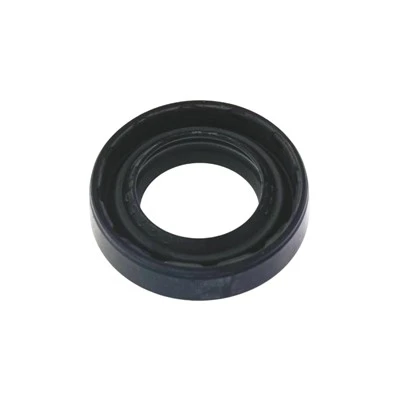
In summary, whether V packing can be used in high – temperature environments depends on several factors, including the material of the packing, the specific temperature range, the duration of exposure, chemical compatibility, and pressure. While some materials, such as rubber, have limited high – temperature performance, others like PTFE and fiber – reinforced polymers offer better resistance to high temperatures.
Standard Shaft Seal As a V packing supplier, I have a wide range of V packing products made from different materials to meet the diverse needs of customers in high – temperature applications. If you are looking for a reliable sealing solution for your high – temperature environment, I am here to offer professional advice and high – quality products. Don’t hesitate to contact me for procurement and further discussion.
References
- "Sealing Technology Handbook" by Heinz P. Bloch
- "Rubber Technology: Compounding, Testing, and Applications" by Charles W. Paul
- "PTFE and Other Fluoropolymers: A Practical Guide" by David A. Hrovat
Hebei Jinwo Machinery Technology Co., Ltd.
Hebei Jinwo Machinery Technology Co., Ltd. is one of the most professional v packing manufacturers and suppliers in China, featured by quality products and good price. Welcome to buy bulk advanced v packing in stock here and get pricelist from our factory. We also accept customized orders.
Address: Room 2109, Tower A, Meidong International, No.16 Guang’an Avenue, Chang’an District, Shijiazhuang City, Hebei Province, China
E-mail: info@jinwoseal.com
WebSite: https://www.jinwoseal.com/
