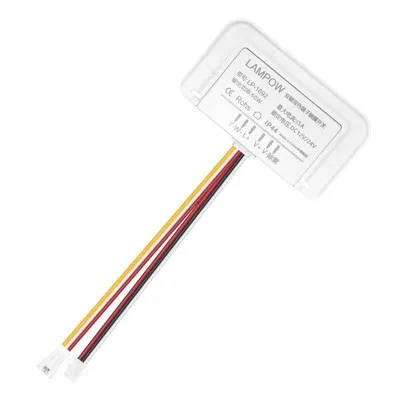
As a supplier of Wired Sensor Switches, I understand the paramount importance of ensuring the safety of their installation. A safe installation not only guarantees the proper functioning of the switches but also protects users and property from potential hazards. In this blog post, I will share some key strategies and best practices to ensure the safety of a Wired Sensor Switch installation. Wired Sensor Switch
Pre-Installation Preparation
- Thorough Site Assessment: Before diving into the installation process, it is crucial to conduct a detailed site assessment. This involves examining the installation area to identify any potential risks, such as exposed wires, moisture, or incompatible electrical systems. For example, if the installation site is in a damp environment like a basement or a bathroom, special precautions need to be taken to prevent electrical short circuits. Additionally, the location should be free from any physical obstructions that could interfere with the sensor’s operation.
- Verify Compatibility: Ensure that the Wired Sensor Switch is compatible with the existing electrical system. Check the voltage, current, and wiring requirements of both the switch and the electrical circuit. Using an incompatible switch can lead to overheating, electrical malfunctions, or even fires. For instance, if the electrical system is designed for a specific voltage range and the switch is not compatible, it may cause the switch to malfunction or damage the connected devices.
- Gather the Right Tools and Equipment: Having the appropriate tools and equipment is essential for a safe and successful installation. Some common tools required for installing a Wired Sensor Switch include a screwdriver, wire strippers, electrical tape, and a voltage tester. Make sure all tools are in good working condition and are suitable for electrical work. Using faulty tools can not only lead to an improper installation but also pose a safety risk to the installer.
Electrical Safety
- Turn Off the Power: Before starting any electrical work, always turn off the power supply to the circuit where the switch will be installed. This can be done by switching off the corresponding circuit breaker in the electrical panel. Use a voltage tester to double – check that the power is indeed off. Working on live circuits is extremely dangerous and can result in electric shock or electrocution.
- Proper Wiring: Correct wiring is the foundation of a safe Wired Sensor Switch installation. Follow the manufacturer’s wiring diagram carefully. Ensure that all connections are secure and free from loose wires. Loose connections can cause arcing, which may lead to overheating and fires. When stripping wires, be careful not to damage the insulation. Use wire connectors and electrical tape to protect the connections and prevent short circuits.
- Grounding: Proper grounding is essential for electrical safety. Ensure that the Wired Sensor Switch is properly grounded in accordance with local electrical codes. Grounding provides a safe path for electrical current in the event of a fault, protecting users from electric shock. Check the grounding wire to make sure it is in good condition and is securely connected.
Sensor Installation and Placement
- Optimal Placement: The placement of the sensor is crucial for its proper functioning and safety. The sensor should be installed in a location where it can accurately detect the desired activity. For example, if the switch is used to control lighting in a room, the sensor should be placed in a position where it can detect motion throughout the room without being obstructed by furniture or other objects. Avoid placing the sensor near sources of heat, such as heaters or stoves, as this can interfere with its operation.
- Avoiding Interference: Keep the sensor away from other electronic devices that may cause interference. Certain devices, such as radio transmitters, microwave ovens, or fluorescent lights, can emit electromagnetic signals that may disrupt the sensor’s operation. Position the sensor at a sufficient distance from these devices to minimize the risk of interference.
- Protection from Physical Damage: Ensure that the sensor is protected from physical damage during and after installation. Use a protective housing if necessary, especially in areas where the sensor may be exposed to impact or environmental factors. Physical damage to the sensor can affect its performance and may pose a safety hazard.
Post – Installation Checks
- Functional Testing: After the installation is complete, conduct a thorough functional test of the Wired Sensor Switch. Turn on the power supply and test the switch to ensure that it responds correctly to the sensor’s input. Check that the connected devices, such as lights or fans, are operating as expected. If any issues are detected, immediately turn off the power and troubleshoot the problem.
- Safety Inspection: Perform a final safety inspection of the installation. Check for any loose connections, exposed wires, or signs of overheating. Make sure that all covers and enclosures are properly installed and sealed. Look for any potential hazards that may have been overlooked during the installation process.
- Documentation: Keep a record of the installation, including the date of installation, the type of switch installed, and any testing results. This documentation can be useful for future maintenance and troubleshooting. It also provides a reference in case of any safety inspections or warranty claims.
Training and Education
- Installer Training: Ensure that the installers are properly trained in the installation of Wired Sensor Switches. Training should cover electrical safety procedures, proper wiring techniques, and the specific installation requirements of the switches. A well – trained installer is more likely to install the switch safely and correctly.
- User Education: Provide users with clear instructions on how to use and maintain the Wired Sensor Switch. Explain the importance of following safety precautions, such as not overloading the switch or interfering with the sensor. User education can help prevent accidents and ensure the long – term safety and performance of the switch.
Regular Maintenance
- Scheduled Inspections: Establish a regular maintenance schedule for the Wired Sensor Switches. Inspect the switches periodically for any signs of wear and tear, such as loose connections, damaged wires, or malfunctioning sensors. Regular inspections can help identify potential problems before they become serious safety hazards.
- Power Surge Protection: Consider installing surge protectors to safeguard the Wired Sensor Switches from power surges. Power surges can damage the electrical components of the switch and may lead to safety issues. A surge protector can help prevent such damage and extend the lifespan of the switch.
In conclusion, ensuring the safety of a Wired Sensor Switch installation requires careful planning, proper installation techniques, and regular maintenance. By following the strategies and best practices outlined in this blog post, you can minimize the risk of accidents and ensure the reliable and safe operation of your Wired Sensor Switches.
LED Driver As a professional supplier of Wired Sensor Switches, we are committed to providing high – quality products and comprehensive technical support. If you are interested in our Wired Sensor Switches or have any questions about installation and safety, we invite you to contact us for further procurement discussions. We look forward to partnering with you to meet your needs.
References
- National Electrical Code (NEC) standards
- Manufacturer’s installation guides for Wired Sensor Switches
- Electrical safety handbooks and manuals
Dongguan Lanbaoli Intelligent Technology Co., Ltd.
As one of the most professional wired sensor switch manufacturers and suppliers in China, we’re featured by quality products and low price. Welcome to buy advanced wired sensor switch for sale here from our factory. If you have any enquiry about quotation, please feel free to email us.
Address: 10th Floor, Building 32, Golden Town, No. 7 Technology Avenue, Houjie Town, Dongguan City, Guangdong Province
E-mail: anna@lampow.cn
WebSite: https://www.lblsensor.com/
