If you’ve ever stood in a grocery store baking aisle or scrolled through a dessert recipe page, you’ve probably encountered almonds in some form—maybe sliced on top of a tart, ground into a cake batter, or blended into a creamy filling. As a supplier who’s spent years working with almond farmers, processors, and bakers, I get asked a lot: “Can almonds really be used in desserts?” The short answer? Absolutely, and they bring more to the table than just crunch or a nutty flavor. Almonds are not just a garnish—they’re a versatile, nutrient-dense ingredient that can transform everything from simple cookies to elaborate pastries, and understanding how to use them correctly can elevate any dessert. Let’s break down why almonds belong in your dessert repertoire, the science behind their performance, and how we supply the high-quality almonds that make these treats work. Almonds
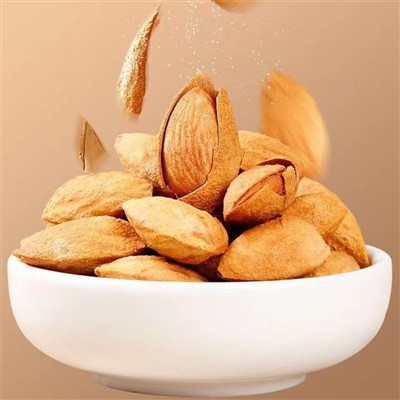
First, let’s talk about the science of almonds and how their unique composition makes them perfect for desserts. Almonds are roughly 50% fat, mostly unsaturated, which gives them a rich, creamy texture when broken down. That fat content is key—when you ground almonds into a meal, the fat coats the starch molecules in flour, which prevents gluten from forming. For bakers, that means a lighter, more tender crumb in cakes and tarts, instead of the dense, heavy texture you might get with all-purpose flour alone. I’ve seen this in action countless times: when we supply blanched almond meal to pastry chefs, they tell me it’s the secret to their signature almond tart crust, which is flaky but not crumbly, with a subtle nuttiness that doesn’t overpower the filling. Unblanched almonds, with their skin intact, add even more fiber and a slightly earthy note—great for oatmeal cookies or rustic fruit crisps where a hearty texture is desired.
Another part of almonds’ makeup is their natural sweetness. Unlike some nuts that have a bitter aftertaste, especially when roasted, almonds have a mild, sweet flavor that ranges from delicate to rich, depending on the variety. We source most of our almonds from California, where the climate—warm days, cool nights, and fertile soil—gives them a balanced sugar-to-fat ratio. That natural sweetness means you can reduce added sugar in many desserts without sacrificing flavor. For example, in a simple almond biscotti, the roasted almonds release their oils and sugars as they bake, so the biscotti is sweet enough to pair with coffee without needing extra glaze. That’s a big win for bakers and home cooks looking to make slightly healthier dessert options, too.
But almonds aren’t just about texture and flavor—they add nutrients that other dessert ingredients often lack. A 1-ounce serving of almonds has 6 grams of protein, 3.5 grams of fiber, and vitamin E, magnesium, and healthy fats. When you use almond flour instead of refined wheat flour in a dessert, you’re not just adding a nutty taste—you’re boosting the nutritional value. This is especially popular with people following gluten-free diets, since almond flour is naturally gluten-free, unlike many store-bought gluten-free flours that can be dry or gritty. I’ve worked with small-batch gluten-free bakeries that swear by our finely ground almond flour because it’s consistent; no lumps, no coarse bits, just a smooth powder that mixes easily into batters and fillings.
Now, let’s dive into specific dessert uses, because almonds work in so many ways. Let’s start with classic favorites: almond cookies. From Italian amaretti to Chinese almond cookies, these treats rely on almonds as the star. Amaretti, for example, are made with almond paste, which is just ground almonds and sugar. The paste gives the cookies their chewy, slightly crumbly texture, and when they’re dusted with powdered sugar, the nuts’ natural sweetness shines through. Our almond paste is made from whole, roasted almonds, so it has a deeper, more complex flavor than mass-produced pastes that use artificial flavoring. Home bakers tell me it makes a huge difference in their amaretti—no more flat, tasteless cookies, just the bright, nutty taste they remember from family recipes.
Then there are tarts and pies. Almond meal is a staple in tart crusts, but it also works as a filling. Frangipane, a creamy almond filling, is a classic in French desserts like crostatas or galettes. It’s made with almond meal, butter, sugar, and eggs, and it’s smooth, rich, and pairs perfectly with fruit—apples, raspberries, peaches, you name it. The key to a good frangipane is using fresh, high-quality almonds; stale almonds will taste flat and make the filling dense. That’s where our quality control comes in: we test every batch to make sure the almonds are within their shelf life, so bakers don’t have to worry about their frangipane falling flat. Even for a simple apple pie, sprinkling sliced almonds on top of the crust before baking adds a crunch and a nutty contrast to the sweet apple filling.
Almonds also work in frozen desserts, which might surprise some people. Almond milk, made from ground almonds and water, is a popular base for vegan ice cream or sorbet. Its mild flavor doesn’t overpower the fruit or chocolate in the ice cream, and the natural fats give it a creamy texture similar to dairy. We supply bulk almond milk concentrate to ice cream makers, which is consistent and easy to blend into their recipes. Even in chocolate desserts, almonds are a match made in heaven. Think chocolate almond bark, where roasted almonds add a crunchy texture to smooth, sweet chocolate, or a chocolate almond cake, where ground almonds replace some flour for a moist, tender crumb. The nuttiness of the almonds cuts through the richness of the chocolate, making the dessert feel balanced instead of heavy.
But here’s a tip: not all almond forms are the same, and using the right type for your dessert makes all the difference. Let’s break down the most common forms we supply, and when to use them:
- Almond Flour/Meal: Finely ground almonds. Blanched (skin removed) is great for cakes, cookies, and frangipane where you want a light, neutral flavor. Unblanched (skin on) adds more fiber and a deeper, earthy flavor—perfect for hearty breads or rustic crisps.
- Sliced/Blanched Almonds: Thinly sliced almonds. Use as a garnish on tarts, in granola toppings, or for adding crunch to cookie dough. They roast quickly, so keep an eye on them to avoid burning—we supply pre-sliced, sorted almonds that are uniform in size, so they bake evenly every time.
- Almond Paste: A thick mix of ground almonds and sugar. Ideal for making macarons, frangipane, or sweet fillings. It’s more concentrated than almond meal, so a little goes a long way.
- Roasted Almonds: Whole or chopped, roasted lightly. They add depth to any dessert—chocolate bark, pie toppings, or even crumble toppings. Roasting brings out the oils and sweetness of the almonds, so we recommend toasting them for 5-7 minutes at 350°F before using in any dessert, unless the recipe says otherwise.
As a supplier, we know that consistency is everything for bakers and dessert makers. If your almond flour is too coarse, your cake will be gritty. If your sliced almonds are uneven, some will burn while others stay pale. That’s why we invest in processing our almonds carefully—sorting out any damaged nuts, grinding them to a uniform texture, and testing for freshness. We’ve been working with bakeries for years, and their feedback has helped us refine our products to meet their needs. For example, when a gluten-free bakery told us their previous almond flour was too dry, we adjusted our processing to retain more of the natural almond fat, making the flour moister and easier to work with.
I also want to address a common misconception: almonds are just for fancy desserts. They work in simple, everyday treats too. I’ve had home bakers tell me they add chopped almonds to their oatmeal cookies for extra crunch, or use almond milk to make a quick, creamy pudding for their kids. Even something as easy as stirring sliced almonds into brownie batter adds a nice textural element and a nutty twist. You don’t need to be a professional pastry chef to use almonds in desserts—just a little knowledge of which form to use, and how to prepare them, can make a big difference.
At the end of the day, almonds are an incredibly versatile ingredient. They’re nutrient-dense, flavor-packed, and can adapt to almost any dessert style—from classic to modern, gluten-free to traditional. Whether you’re a home cook testing a new tart recipe, a bakery looking for a reliable almond supplier, or someone who just loves a good almond cookie, there’s an almond form that will work for you.

If you’re ready to incorporate high-quality almonds into your desserts, and you’re looking for a supplier that understands the needs of bakers and dessert makers, we’re here to help. We offer a range of almond products, from bulk almond flour to roasted whole almonds, all tested for freshness and consistency. Let’s discuss how our almonds can elevate your next dessert project.
Macadamia References
- USDA FoodData Central. Almonds, raw.
- AACC International. (2010). Gluten-free baking: the science and technology.
- California Almond Board. (2023). Almond composition and culinary uses.
- Journal of Food Science. (2018). Impact of almond particle size on baked goods texture.
Anhui Yicheng Import & Export Co., Ltd.
We’re well-known as one of the leading almonds manufacturers and suppliers in China, specialized in providing high quality customized products. We warmly welcome you to wholesale bulk cheap almonds from our factory. For free sample, contact us now.
Address: Room 301, Building 36, Changhong Century Rongting, Yaohai District, Hefei City, Anhui Province China
E-mail: shirley@yichengah.com
WebSite: https://www.yichengnuts.com/
